
The identification and tracking of emerging athletes represent a very important activity for any sports talent scout. In a highly competitive area where talent may make all the difference, knowing where to look at and how to track promising stars can often lead to considerable breakthroughs. This guide provides an all-around step-by-step process in tracking emerging athletes, right from observation to a full evaluation and recommendation. Whether you are a seasoned scout or an emerging one, the understanding of these key steps will surely allow you to effectively track young talent and provide the needed support for their full development.
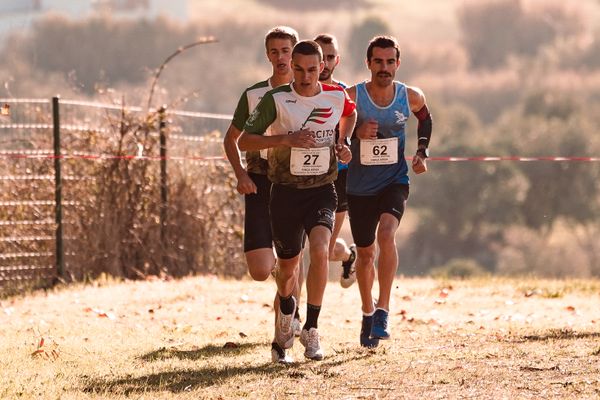
Scouting for Emerging Talent
In tracking emerging athletes, the first step is to identify potential talent. This will call for observing different competitions, training sessions, and even scouting reports in order to identify people with some promise. Look for athletes with astounding physical abilities combined with hard work and seriousness in training. Pay attention to those who stand out in terms of their performance, attitude, and improvement over time. This is an opportunity to be ahead of others, as one will be able to have enough reasons to continue the guidance and support of these athletes while they develop their skills and experience.
Data Gathering: Comprehensive
This involves collecting extensive information on the scouted prospects for further scrutiny and assessment. Gather data on the athlete's performance statistics, their training regimen, and any other useful background information regarding their speed, strength, and skill levels, including their mental and emotional toughness. Records and statistics paint a clear picture of what an athlete is capable of and their current level of development. This should be collected systematically and analyzed to come to informed decisions about the potential and future prospects of the athlete.
Skill and Technique Evaluation
The evaluation of an athlete for his or her skill and technique forms an integral part of monitoring his or her progress. Observe the manner in which the performance of particular skills and techniques relating to their sport is effected. Establish their level of proficiency, consistency, and application of skill under pressure. Note their strengths too and mention what needs further work. This assessment will help to understand the present level of skill that the athlete has and where he might need training. A very detailed analysis of their technique can also give insights into how much more they can adapt to the higher levels of competition.
Assessment of Physical and Mental Resilience
It is important that assessments in regard to an individual's physical and mental resilience be conducted so that potential for success can be ascertained. Physical resilience includes checking their stamina, strength, and the resilience of the body whenever injuries or weariness take in. One would mentally be checking for their ability to withstand pressure, sustaining concentration, and bouncing back in the event of disappointments. Observe how well the athlete handles stress during competitions, and his or her ability to maintain a positive attitude in spite of challenges. Both physical and mental resilience are essential in long-term success and have to be well monitored in order to measure the potential of the athlete.
Observation of Work Ethic and Attitude
A huge part of an athlete's overall development and success is in work ethic and attitude. Observe those who show great commitment to their training and even go that one step further. Observe their practice habits, their interaction with the coaches and other teammates, and how they receive constructive criticism. Clearly, athletes with a positive attitude, motivated, and desiring to improve will more than likely reach all of their goals. Observation of these qualities helps in judging just how dedicated the athlete is to his sport and his or her future success.
Progress Over Time
Due to this fact, monitoring the trend of an athlete's performance is always important to know how an athlete's development and potential are taking shape. Go back regularly and compare a performer's performance data, training outcomes, and competition results for trends and improvements. This frequent monitoring helps to develop an accurate estimate of the degree with which the athlete is progressing and whether he or she is on target to meet his or her goals. Take their current performance in consideration against previous performances as a measure of improvement and adjust their training accordingly. In this context, progress tracking is quite vital; it can be very insightful about the trajectory of the athlete and allows one to make enlightened decisions on his or her future.
Developing a Rapport with Coaches and Trainers
Relationship building with coaches and trainers will be beneficial in getting correct information about a particular athlete. Build relationships with people who are with the athlete always to get valuable information about his training, performance, and potential. For this purpose, the coaches and trainers will be able to provide critical feedback related to the strengths, weaknesses, and those that need to be improved in the athlete. Building a rapport and maintaining frequent contact with them means that at each given point in time, you get accurate and timely data, which forms the basis of any sound evaluation.
Recommending
Recommendation is made about an athlete through collation and assimilation of all information and observations that were gathered. From this, evaluate the performance of the athlete in terms of skill level, resilience, and work ethic, and their progress towards readiness for competition at higher levels or for further opportunities. Specific and constructive feedback is given to the athlete, coaches, and any other relevant parties. Recommendations should be holistic in nature and made with the intent of supporting the athlete through a growth and development process. Clear recommendations will indicate the direction of the athlete's career and ensure they are oriented to receive further support.
Ongoing Support and Monitoring
Ongoing support and ongoing monitoring are fundamental in assisting the developing athletes in achieving their goals. Remain invested in the development of the athlete with continued guidance and reassurance. Regard the success of the athlete as they develop in their sport as your success. Follow up with the athlete, coaches, and trainers on a regular basis in order to monitor progress. Approach problems head-on and work through them together, keeping the athlete motivated and centered on their goals. You will play a supportive role in the long run by monitoring their progress for future success and achieving their full potential.
Conclusion
This requires a systematic process of tracking emerging talents where the necessary data is collated to broadly describe the performance and character. The skill, toughness, and work ethic need to be assessed, and a healthy relationship with the coaches or trainers will lead to informed recommendations and, more importantly, perhaps support for the scouts. Continuous follow-through and support are needed in guiding the athletes toward realizing their potential and a high level of success in their respective sport careers. The steps included in this handbook are followed to aid the scouts in tracking and developing fresh talent. This helps give room for future sports stars to rise.